

In the world of tea, few varieties evoke a sense of tranquility and aromatic delight, quite like jasmine tea. Beyond its enchanting fragrance and delicate flavor, jasmine tea has been celebrated for its potential contributions to digestive health. However, does jasmine tea have caffeine? Yes, jasmine tea does contain caffeine, but the levels can vary depending on the type of tea used as the base. Typically, jasmine tea is crafted with green tea or white tea leaves, both of which naturally contain caffeine. Let’s explore how this fragrant brew goes beyond the sensory experience to offer soothing relief to stomachs and promote healthy digestion.
A Symphony of Aromas and Benefits

Jasmine tea, known for its sweet and floral notes, is a harmonious blend of green or white tea leaves infused with jasmine blossoms. The delicate infusion process imparts not only a delightful aroma but also the potential for digestive benefits. As you sip this fragrant elixir, you’re indulging in a centuries-old tradition that spans cultures and continents.
Gentle on the Stomach
One of the standout qualities of jasmine tea is its gentle nature. Unlike strong, bold teas that may be harsh on sensitive stomachs, jasmine tea offers a milder alternative. The combination of soothing jasmine and the inherent properties of green or white tea can provide relief to those with stomach sensitivities, making it a welcoming choice for various palates.
Natural Digestive Aid
Jasmine tea is often considered a natural digestive aid. The antioxidants present in both the tea leaves and jasmine blossoms may contribute to a healthy digestive system by neutralizing free radicals and promoting a balanced internal environment. Additionally, the mild caffeine content in jasmine tea can offer a gentle stimulant effect, potentially aiding in the digestive process.
A Ritual of Relaxation

Beyond its potential digestive benefits, the act of sipping jasmine tea can be a ritual of relaxation. Taking a moment to enjoy a warm cup of jasmine tea after a meal provides an opportunity to unwind, allowing both body and mind to settle into a state of tranquility.
Brewing Tips for Maximum Enjoyment
To fully embrace the digestive benefits of jasmine tea, consider these brewing tips:
- Use high-quality loose-leaf jasmine tea for a richer flavor profile.
- Opt for water that is just below boiling to preserve the delicate nature of the tea.
- Allow the tea to steep for about 2-3 minutes to achieve a well-balanced infusion.
Jasmine tea, with its aromatic allure and potential digestive benefits, invites you to embark on a journey of sensory delight and well-being. Whether you’re seeking a moment of calm, a fragrant reprieve, or gentle digestive support, jasmine tea stands ready to offer a comforting sip that transcends the ordinary, a truly delightful elixir for both the senses and the stomach.

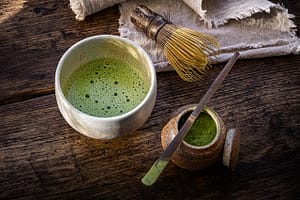 Did you know that the caffeine level in matcha tea is higher than found in coffee? Combined with the L-theanine found in this tea, your body will be more energetic throughout the day once you’ve sipped a glass of matcha tea in the morning. Here is how it works. Caffeine provides a natural energy boost by stimulating the central nervous system, giving you that much-needed pick-me-up throughout the day. On the other hand, L-theanine helps promote a calm and focused state of mind, preventing caffeine jitters or crashes commonly associated with other caffeinated beverages. Together, these two compounds work synergistically to provide sustained energy without the usual side effects often experienced with coffee or energy drinks. This combo can help increase alertness, improve concentration, and enhance overall cognitive function – making it an excellent choice for those looking for a natural way to stay energized throughout their day without relying on artificial stimulants.
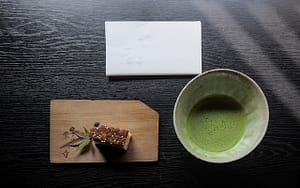 Matcha tea has also been hailed as a potential aid in weight loss journeys thanks to its ability to increase fat oxidation. This fancy term refers to the process of breaking down all stored fat in the body and converting it into energy that can be used by the body. Additionally, matcha tea is known for its caffeine content, as mentioned. Caffeine basically stimulates the central nervous system and helps mobilize fatty acids from the body’s adipose tissue, allowing them to be thoroughly burned for higher levels of energy.